



Hello pupils and eager minds! Let’s examine the agent jane blonde big win Jane Blonde game together. We are not merely observing a slot game here. We’re viewing a brilliant foundation for education. The game is intended for mature audiences, but its core ideas—spycraft, technology, logic, and evaluating risks—are packed with educational value for teenagers. View this article your mission dossier. We will unpack the notions within this digital realm and convert them into real educational activities. Imagine this as your espionage handbook. We’ll break down the calculations of chance, the mental processes behind decisions, and the narrative craft that builds thrilling stories, all inspired by the game. My objective is to provide teachers, parents, and youth leaders useful suggestions. We can use a popular culture element to create powerful learning, building critical thinking, money management, and digital awareness in a safe and positive way. Thus, take up your make-believe magnifying glass. Our exploration into understanding begins now.
Fiction & Creative Composition: Creating Your Own Spy Saga
The character of Agent Jane Blonde lives inside a story. It’s a narrative of suspense, action, and intrigue. This narrative scaffold is a goldmine for inspiring creative writing and literary analysis with young people. We can utilize the game’s premise as a creative writing prompt. It imparts story structure, character development, and descriptive language. Their mission, should they choose to accept it, is to transform into the author of their own espionage thriller. The process starts by analyzing the spy genre’s common parts. These comprise a protagonist with a special skill, a clear goal, strong antagonists, high stakes, and a series of escalating challenges. Identifying these tropes in popular media provides students a toolkit for building their own tales. The exciting step is then modifying or personalizing these tropes. What if the secret agent works in their own hometown? What if the mission isn’t about acquiring a weapon, but about retrieving lost data or solving an environmental puzzle? This opens the door to diverse and inclusive storytelling.
Story Tasks: Transitioning From Plot Outline to Climactic Code
Structured activities can direct this creative process. They assist young writers build their saga step by step. We can break the huge job of “write a story” into manageable, fun missions.
- Character Dossier: To begin, develop the hero. Students craft a detailed dossier for their agent. It should include not only looks, but likewise background, motivation, strengths, and a key weakness. Which organization do they serve? What private secret do they hide?
- Assignment Summary: Next, set the plot. Using a traditional story spine (Once upon a time… Every day… But one day… Because of that…), students compose their mission briefing. What is the goal? What scheme does the antagonist have? What occurs if the operative is unsuccessful?
- Tool Design: Bring in STEM. Students need to create and explain one unique gadget for their agent. They must outline its function and, in an ideal scenario, the underlying science it employs (even a fictional one). This mixes specialized and narrative writing.
- The Reversal: Teach about plot tension. Students need to outline a key plot twist or a point where their agent encounters a challenging moral choice. This shifts the story past basic good versus evil.
- Dialogue Decryption: To conclude, hone writing sharp, charged dialogue for a key scene. Imagine a confrontation with a villain or a strained exchange with a suspicious contact. The emphasis is on subtext. What is the true meaning behind the dialogue?
This scaffolded method shows students that engaging stories are constructed, not created in a single flash of inspiration. They engage in planning, drafting, and revising, all within an engaging framework that is akin to game design than homework. The final products can be shared as narratives, graphic novels, radio plays, or storyboards. It’s a tribute of creativity and effective communication.
Online Responsibility & Responsible Digital Conduct
Our connected world demands a unique combination of abilities and ethics. We call this digital citizenship. The spy theme, with its focus on secrecy, information security, and identity, offers us a strong metaphor. We can teach young people about responsible and ethical online behaviour. Position good digital citizenship as the fundamental skills of a “net intelligence officer.” Their role is to defend their own data, value others’ data, and operate through the digital world with solid judgment. Lessons can move from imaginary digital heists in a game to the genuine risks of phishing, social engineering, and revealing personal details online. Taking on the mindset of an agent who must secure sensitive information transforms strong passwords, privacy settings, and careful evaluation of online sources part of an thrilling protocol. It ceases feeling like a tedious chore. This new perspective is key for engagement.
We can develop interactive missions. Students might examine the “security” of a fictional social media profile. They spot leaked “intel” like location tags, personal details, or weak passwords. Another activity requires them analyze suspicious “communications,” like simulated phishing emails, to identify red flags. The central message is clear. In the digital age, each person has valuable information to protect. Being a good digital citizen also means taking constructive actions. Understand digital footprints. Acknowledge cyberbullying and understand how to address it. Participate in online communities with respect and empathy. These are modern survival skills. They are the counterpart of a spy’s tradecraft. Leveraging the high-stakes narrative of espionage increases the apparent stakes of everyday online actions. It causes the lessons stick for a generation growing up in a digital world.
Money Management: Spending Plans, Assets, and Value
Let’s address a crucial life skill through our spy lens: financial literacy. On a mission, an agent must manage resources like gadgets, time, and allies. In life, we manage money. We can design educational materials that convert in-game ideas like “credits” or “resources” into real-world lessons on financial planning, economizing, and understanding value. The key point is to detach completely from any gambling context. Focus purely on resource management strategy. Imagine a simulation where student “agents” get a mission budget. They must “purchase” different tools or intelligence packages. Each has a cost and a variable success rate. They have to work together, order, and make strategic choices to achieve their goal without overspending. This teaches planning, cost-benefit analysis, and the fact that resources are limited. It introduces the concept of opportunity cost. If you spend your budget on a high-tech lockpick, you might not have funds for a distraction device.
We can broaden this to longer-term projects. Students might save for a “major gadget,” a metaphor for a larger purchase like a bike or a computer. They track their “mission earnings,” simulated through completing academic or behavioural goals, and plan a savings strategy. Discussions can focus on needs versus wants, impulse “purchases,” and the importance of an emergency “contingency fund.” Another angle explores the value of non-monetary resources like time and skills. Just as an agent might trade information with a contact, young people can learn about the power of skill-sharing and bartering in their community. Presenting these essential financial ideas in the intrigue of a spy operation makes them dynamic and captivating. It readies youth not just to pass a test, but to make smart, informed decisions about resources in their own lives.
Analyzing the Spy Genre: Essential Media Literacy
The spy genre has an obvious pull. It provides high-tech tools, mysterious puzzles, and adventures across the globe. Agent Jane Blonde draws directly from this deep well of storytelling. That makes it an ideal case study for building critical media literacy skills with young people. Media literacy goes beyond identifying fake news. It includes understanding how stories are built, why they appeal to us, and what values they might quietly promote. Taking apart the spy archetype in games like this shows youth to deconstruct media messages. We can ask questions. How is the character of “the spy” shown? What stereotypes appear, and how do they match up with real intelligence work? This kind of analysis helps young minds become conscious media consumers, not just passive audiences. They start to see the creative decisions behind the entertainment. They can value the craft while also questioning its underlying assumptions.
Fiction vs. Reality: The Real World of Espionage
Here’s where things get really interesting. The fictional universe of Agent Jane Blonde works as a strong hook. It draws us into the factual history and science of spying. Educational modules can build a bridge across this gap. Game-inspired curiosity can become solid research and learning.

Past Codebreakers and Cyber Sleuths
Think about a key spy skill first: cryptography. The game features codes and secret missions. This is a ideal launchpad for exploring real historical codebreakers. Recall Alan Turing and the Bletchley Park team from World War II. We can design activities where students study and apply simple ciphers. They might try Caesar shifts, Morse code, or basic polyalphabetic ciphers. This teaches logical thinking, pattern spotting, and a piece of exciting history. Move to the present day, and these lessons shift into digital cybersecurity. We can talk about modern “cyber sleuths.” These are ethical hackers and digital forensic experts who protect information. This demystifies tech careers and highlights the importance of digital hygiene. Strong passwords and recognizing digital footprints become relevant to a young person’s online life immediately.
Devices and STEM Foundations
Every spy depends on gadgets. The sleek, high-tech tools in Agent Jane Blonde’s world prompt us to explore STEM principles. Teachers can design projects where students design their own “spy gadgets” to address a simple problem. This might entail basic circuitry to build a simple alarm. It could mean understanding lenses for a periscope. Or utilizing physics to engineer a catapult for passing notes across a room. The secret is to bridge the fantastical to the fundamental laws of science and engineering. It promotes hands-on tinkering. It presents failure as part of learning. It motivates for creative use of theoretical knowledge, all under the exciting flag of a spy mission.
The Math of Luck: Understanding Probability & Risk
Next, we have one of the most directly useful educational perspectives: mathematics. Slot games are, at their core, complex studies in probability and random number generation. The play is for adults, but the underlying math offers a powerful, tangible way to teach young people about odds, statistics, and assessing risk. These are skills everyone must have for life. We can distinguish these lessons entirely from any gambling context. Attention stays on the pure math. Picture a classroom where students work out the probability of pulling a specific coloured “secret dossier” from a mixed set. Or they compute the chance of a spinner landing on a particular symbol. Using a theme of “decoding probabilities,” we make abstract ideas real and fun. This method counters the idea that math is irrelevant. Here, math becomes the key to solving a mission.
Setting Up a “Probability Lab” with Spy Themes
Establishing a “Probability Lab” with a spy mission theme allows for engaging, group-based learning. The aim is to transcend textbook formulas and toward learning by doing. Students become analysts working out mission success odds.
You might design a scenario. “Agent Jane must obtain three certain files from a network protected by random patrols. Each patrol pattern has a known probability of appearing.” Students would then utilize tree diagrams or basic probability formulas to plot the safest path. Another captivating activity features dice games reskinned as “decoding rolls.” Rolling certain combinations breaks a code. These activities teach specific skills.
- Fraction and Percentage Conversion: Expressing chances as fractions, decimals, and percentages.
- Compound Events: Comprehending the probability of Event A AND Event B happening together.
- Expected Value: A more advanced idea where they calculate the average outcome of a repeated random event, like the “average intelligence score” from several missions.
- Data Representation: Creating charts and graphs to show their probability findings for a “mission debrief.”
This hands-on approach turns probability less scary. Students don’t just commit to memory formulas. They utilize them as tools to solve a story-driven problem, which greatly enhances how well they retain and grasp the concepts. They realize that math is a language for describing uncertainty. This skill relates to everything from weather forecasts to planning personal finances.
Principles, Options, and Conscious Gaming
Finally, we arrive at the most crucial mission: fostering moral reasoning and an understanding of conscious entertainment. The spy’s world is notoriously grey, teeming with moral dilemmas and hard choices. We can utilize this to initiate discussions about ethics, decision-making, and the actualities of the gaming industry. Educational materials can present age-appropriate fictional spy scenarios that present ethical questions. Should you compromise a system to expose a truth? Is it justifiable to trick someone for a larger good? These conversations build moral reasoning and empathy. Crucially, this results in a transparent talk about game design itself, including slots like Agent Jane Blonde. We can clarify how such games are created for adult entertainment. They employ psychological principles like variable rewards and immersive themes. Demystifying this design process is a type of empowerment.
Forming Knowledgeable Choices as a Consumer
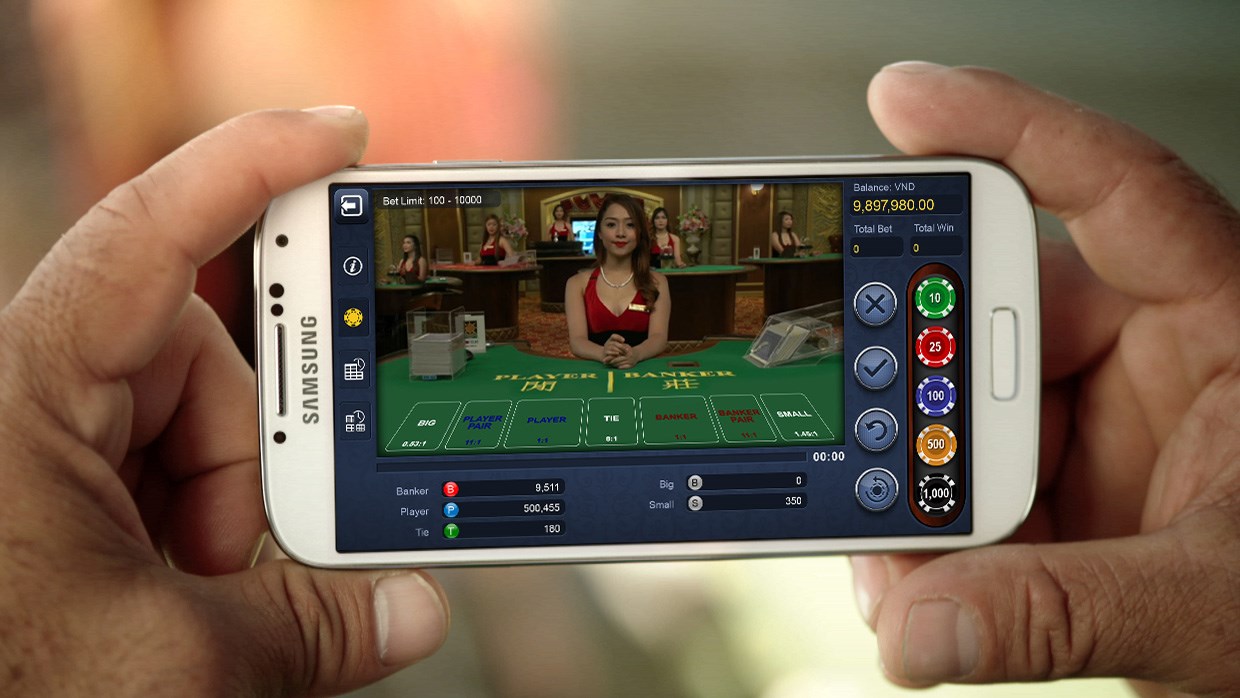
The goal is to move from passive consumption to informed awareness. We can instruct young people to recognize game mechanics, comprehend age ratings (like the UK’s PEGI 18 rating for gambling-themed games), and critically analyze advertising. This isn’t about condemnation. It’s about education. A responsible consumer recognizes a slot game is a designed product for leisure, just as a spy film is a stylized fantasy. It is not a career path or a financial strategy. Lessons can contrast the fictional, instant-success outcomes in games with real-world principles of earned achievement, patience, and long-term goal setting. Having these frank discussions early provides young people with critical thinking skills. They can navigate the intricate landscape of adult entertainment securely and make choices that support their well-being when they are old enough. This final module links all our educational threads together. Critical thinking, math, literacy, and citizenship combine into a comprehensive understanding of how to navigate the modern world wisely.