


Internet gaming often feels automatic, a space where the purpose is just the next win. For players in the UK, something different has arrived. The Zeppelin Crash Game is more than a new crash game. It blends high-stakes play with a story that actually matters. This platform understands something important: people stay for the emotion, not just the excitement of the multiplier. From its intricate steampunk look to the touching story of its hero, Captain Alistair Finch, the game builds layers of meaning around its betting core. It pulls you into a world where each climb feels significant, and the shared anticipation of the players contributes into a larger narrative. If you’re in the UK and want more than a simple bet, this is it. Here, interactive entertainment finds a pulse, mixing smart strategy with a genuine bond that matches a market known for appreciating both good tech and a good tale.
An In-Depth Examination of the Zeppelin’s Special Mechanics
The Zeppelin Crash Game operates on the classic crash model, but it revitalizes it with atmosphere and a feeling of control zeppelincrash.com. You place your bet before the airship, a beautiful craft of brass and steam, starts its climb. The multiplier grows with the Zeppelin’s height. Your job is to collect and claim your winnings before a theoretical crash happens. The game’s smart move is integrating this mechanic into a living world. The climb isn’t a dry number going up. It’s a display for the eyes and ears, with engines rumbling and clouds drifting over a pixel-perfect British Isles. The auto-cashout feature is more than a convenient option. It serves as a narrative co-pilot, allowing you plan your play while you become absorbed in the drama. This combination turns a simple click into a moment of real tension. The analytical work of assessing risk begins to feel like part of steering the Zeppelin’s own destiny.
Creating a Following Centered on the Voyage
One of the Zeppelin Crash Game’s subtle strengths is how it builds a real community, a feature many virtual games lack. Any flight is a shared event. Players take off together, follow the identical ascent, and share a shared wince or shout at the cash-out or the crash. This mutual moment creates instant common ground. All over the UK, forums and social channels light up with talk. People debate multiplier trends and tactics, of course. But they also chat about Captain Finch’s backstory, the latest tweaks to the airship’s design, and sharing stories of spectacular near-misses. This converts the game from a single-player activity into a group hobby. The ongoing narrative provides everyone something to talk about, a episodic tale they experience as a group. This community side is vital. It keeps people coming back long after a individual bet is settled, developing a dedicated audience that values the world expanding as much as their own wins within it.
The Heart of the Story: Captain Alistair Finch

Everything in the game ties back to Captain Alistair Finch. He provides the emotional depth to the experience. He isn’t a blank face. He’s a detailed character, a groundbreaking flyer marked by an ancient tragedy, always seeking to mend a past loss. This narrative, which you hardly see in comparable games, provides a genuine motive for the Zeppelin’s ceaseless voyages. Every round reads like another page in his mission, a struggle against the elements that you directly shape. This narrative approach alters your perspective. You cease to be merely a bettor. You enter Finch’s world. His resolve, displayed through the game’s artwork and minor story elements, evokes a form of quintessential British perseverance. That link fosters a peculiar attachment. Cashing out goes beyond just taking profits. It resembles guiding the Captain through hazards, blending emotional commitment with the monetary risk. It is effective, and it’s remarkably impactful.
The Steampunk Style: A Masterful Visual Creation
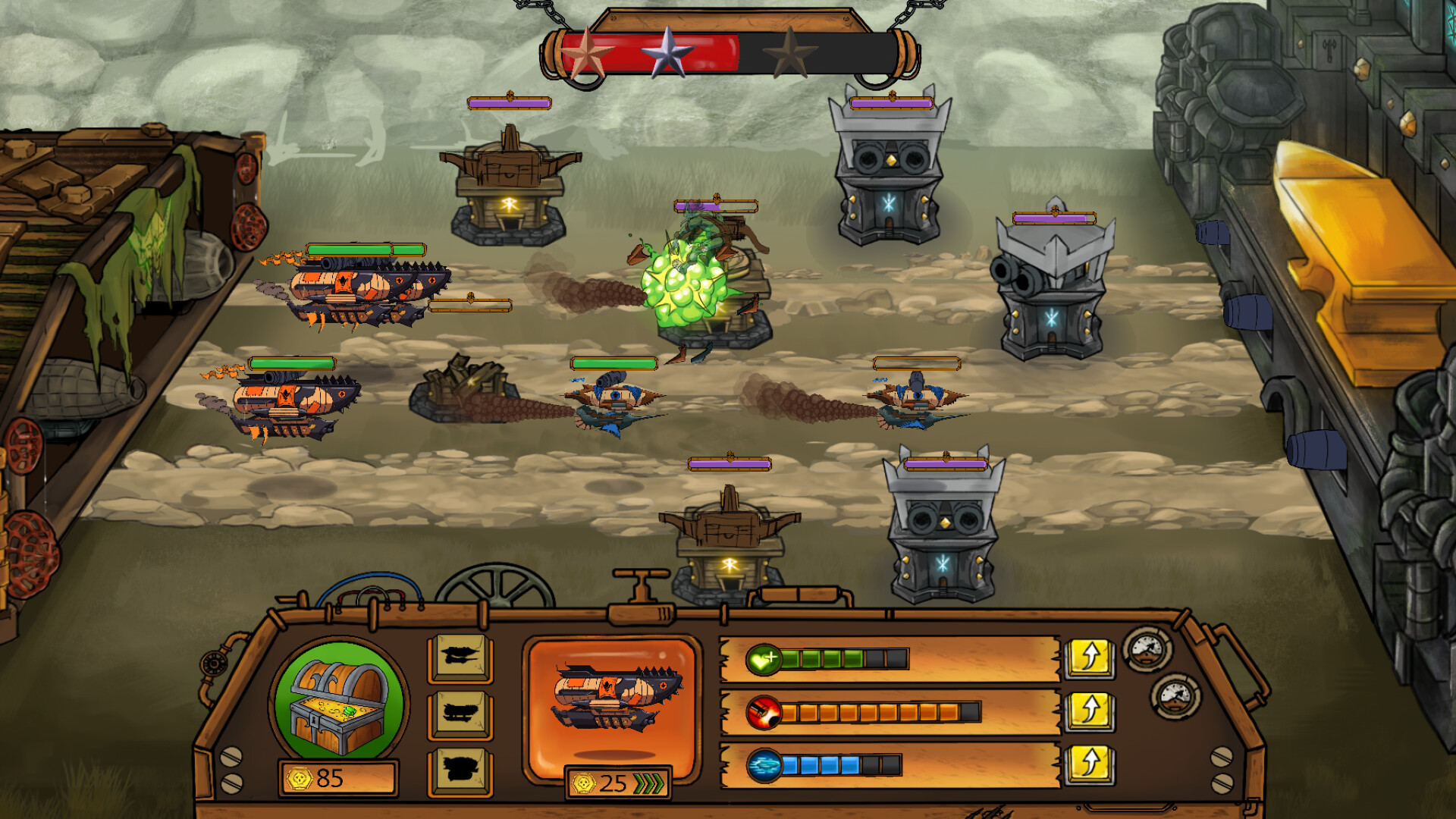
Starting the Zeppelin Crash Game is like unfolding an intricate Jules Verne novel, modernized for your display. The steampunk aesthetic isn’t simply a decorative finish. It’s woven into the game’s fabric, made with a level of detail that will grab any UK player who cares about design. The interface is a wonder of virtual brass, polished wood, and complex dials with needles that jump and twitch. The Zeppelin exudes its own identity. Its outer shell tenses, its motors release convincing clouds of vapor as the values increase. The setting merits extra praise. It frequently depicts silhouettes resembling British factory towns or rugged seaside cliffs, planting the fantasy in a landscape that feels almost familiar. This artistic coherence transcends simple visual appeal. It draws you further into the experience, rendering the world tangible and authentic. Every cog, every ray of light from a window, supports the tale of creativity and daring. The game’s visuals sticks with you as much as how it plays.
Strategic Gameplay in a Evolving Environment
The story and looks define the game’s spirit, but the Zeppelin Crash Game requires a sharp mind. To excel in its skies, you require more than random chance. You must consider risk, odds, and what you’re personally at ease with losing. The game encourages a strategic culture. You need to determine not just *if* you’ll cash out, but the precise moment to do it. The auto-cashout function is a key tool here. It enables you to follow a planned strategy even when the climb gets tense. On top of that, you observe other players’ bets and cash-out points live. This introduces a layer of crowd psychology, like reading the mood in a physical betting shop. The environment alters constantly, where your own plan intersects with the group’s behaviour. For UK players who like to analyse, this is a rich playground. You can develop and try out theories, making each session a lesson in patterns, timing, and maintaining composure inside a stunning visual frame.
Responsible Gambling as a Core Principle
Any talk about gaming with real money must emphasize responsible play. The Zeppelin Crash Game shows its commitment right here. The platform bakes safe gambling principles into its core operation; it’s not a secondary concern. The tools for players are clear and simple to locate. You can adjust deposit limits, take a time-out, or employ self-exclusion options without difficulty. These aren’t portrayed as barriers. They are controls that give you command over your own session. The game’s captivating draw makes this even more important. The engaging story and dynamic features should be entertaining within defined boundaries. For the UK market, which operates under strict rules, this focus meets national standards and what players look for. It ensures the heart of the game—the journey and the community—can be enjoyed in a sustainable way. Player safety is the cornerstone, and the entertainment is constructed on top of it.
The future of Narrative-Driven Gaming
The growing success of games like Zeppelin Crash marks a new direction for online gaming. It’s a leading example of how deep stories and character can be integrated into genres usually governed by mechanics alone. This sets a fresh standard. It reveals that players, especially in mature markets like the UK, want stories and worlds they can connect with emotionally. The scope for development is vast. Consider new chapters for Captain Finch, different airships with their own histories, or seasonal plots that transform the game world over time. This approach suggests a future where gaming platforms are also storytellers, providing long-running sagas that players can experience for years. So the Zeppelin Crash Game is more than just one game. It’s a working prototype for a deeper kind of interactive entertainment, where every bet is a piece of a much bigger picture.